
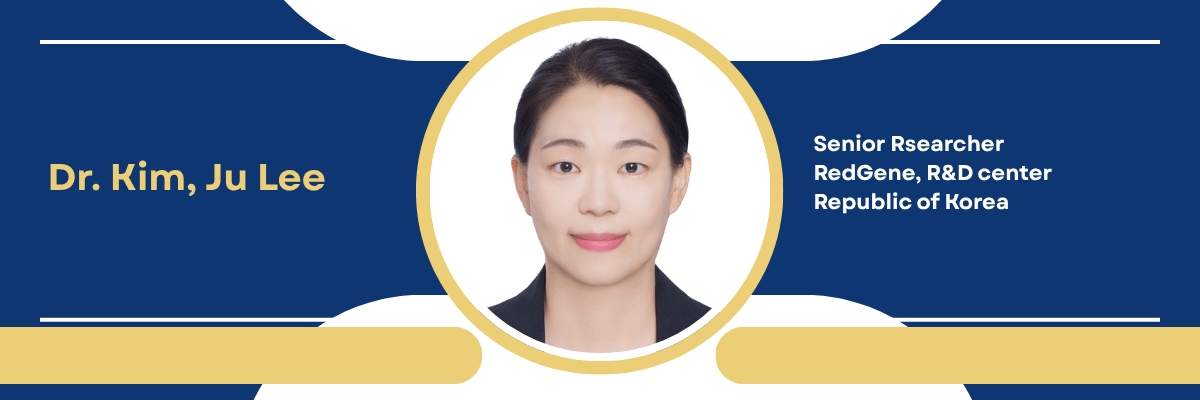
Looking back on your career, is there a particular moment that reshaped how you think about health and medical sciences, especially the role organoid research plays in advancing biomedical science and patient care?
Looking back on my career, my postdoctoral training at Columbia University and Seoul National University was truly transformative. At Columbia, I was introduced to organoid research using prostate cancer models, urothelial cells, and human embryonic stem cells. Seeing these organoids accurately mimic human tissues changed how I viewed biomedical research. I realized they are powerful tools for disease modeling, drug discovery, drug screening, and precision medicine. At Seoul National University, I developed human embryonic stem cell-derived intestinal organoids to study diabetes, focusing on the PAX4 gene. I also gained expertise in single-cell RNA sequencing, whole-genome sequencing, and advanced CRISPR-based gene-editing technologies. What inspired me most was seeing how organoids, omics, and gene editing complement each other to uncover disease mechanisms and identify new therapeutic strategies. These technologies bridge the gap between laboratory discoveries and clinical applications. This experience reshaped my understanding of health and medical sciences and strengthened my commitment to translational research. It continues to motivate me to develop innovative solutions that improve patient care and advance the future of precision medicine.
In what ways do you connect organoid research to real clinical and translational work, so it moves the needle on disease modeling, drug discovery, personalized medicine, and patient outcomes?
Organoid research has tremendous potential to bridge laboratory discoveries with real clinical applications. Because organoids closely mimic human organs, they provide more accurate models for studying diseases and testing new treatments before they reach patients. They can be used for high-throughput screening of drugs, antibodies, and other therapeutic compounds, helping researchers identify the most effective treatment options more quickly. By combining organoid research with AI-driven data analysis, we can discover biomarkers that help detect diseases earlier and identify new targets for therapy, especially in cancer. Since organoids closely resemble how human tissues behave, they provide more reliable results than many traditional laboratory models. In addition, organoid biobanks allow researchers and clinicians to study patient-specific samples, supporting personalized medicine and accelerating the translation of research into better treatments and improved patient outcomes.
When you’re weighing a difficult call in health and medical research, amid emerging technologies, intricate biological systems, and evidence that keeps evolving, what guides you?
When I face a difficult decision in health and medical research, I never rely on assumptions or a single source of information. My first step is to understand the problem from every possible angle by reviewing the latest scientific literature, revisiting published evidence, and seeking guidance from experienced mentors. I also value discussions with researchers and experts from around the world through professional networks, conferences, social media, and other scientific platforms to gain diverse perspectives. Once I have weighed all the available information, I rely strongly on scientific evidence, clinical relevance, and the potential impact on patients before making a decision. This approach is especially important in organoid research, where technologies such as stem cell-derived organoids, gene editing, and patient-derived biobanks are rapidly advancing personalized medicine and drug discovery. Ultimately, my guiding principle is to make decisions that are scientifically rigorous, ethically responsible, and focused on improving patient outcomes.
Of everything happening right now in organoid research and regenerative medicine, which developments do you find most exciting for the future of healthcare?
What excites me most is how organoid research is becoming more personalized and clinically relevant. Patient-derived organoids and human iPSC-derived organoids have the potential to transform regenerative medicine by enabling personalized treatments and improving immunotherapy. I am particularly excited by technologies that recreate the tumor microenvironment, allowing researchers to better understand how cancer cells interact with immune cells and respond to treatment. The integration of organoids with advanced tools such as CRISPR gene editing, multi-omics, and bioengineering is opening new possibilities to study diseases with greater accuracy and develop more effective therapies. I believe these combined technologies will accelerate drug discovery, improve regenerative medicine, and bring us closer to truly personalized healthcare, making them one of the most promising directions for the future of medicine.
How do you want to be remembered for your contributions to health and medical sciences, and what impact do you hope your work leaves on the next generation of clinicians, researchers, and healthcare innovators?
I hope to be remembered as a researcher who helped bridge the gap between laboratory discoveries and real patient care. My work focuses on advancing organoid technology, stem cell engineering, immunotherapy, and CRISPR-based gene editing to better understand diseases and develop more effective, personalized treatments. I also hope my research contributes to identifying predictive biomarkers that help clinicians choose the right therapy for the right patient at the right time. Beyond my scientific contributions, I want to inspire the next generation of clinicians, researchers, and healthcare innovators to embrace collaboration, scientific curiosity, and innovation. If my work helps accelerate new therapies, improves patient outcomes, and encourages young scientists to push the boundaries of regenerative medicine and precision healthcare, I will consider that my greatest achievement.
Dr. Kim, Ju Lee
Senior Researcher,
RedGene, R&D Center, Republic of Korea