
For generations, education followed a familiar path. People attended school, earned degrees, and entered the workforce with the expectation that their qualifications would support them throughout their careers. Graduation was often viewed as the finish line of formal learning. In today’s rapidly changing world, however, that assumption no longer holds true. Technological advances, shifting industries, and evolving career demands have transformed learning into a lifelong necessity. As a result, a new economic and social framework is emerging—the Lifelong Learning Economy, where education continues far beyond early adulthood.
A Shift from Fixed Knowledge to Continuous Growth
The industrial age rewarded stability. Skills learned in college could remain useful for decades, and career changes were relatively uncommon. The modern economy, however, is shaped by innovation and constant disruption. Artificial intelligence, automation, and digital technologies are changing the nature of work faster than ever before.
In such an environment, knowledge has a shorter lifespan. Skills that are valuable today may become outdated tomorrow. Consequently, individuals must continuously acquire new competencies to remain effective and competitive. Learning is no longer a phase that ends after graduation; it has become a permanent part of personal and professional life.
Technology Expands Access to Learning
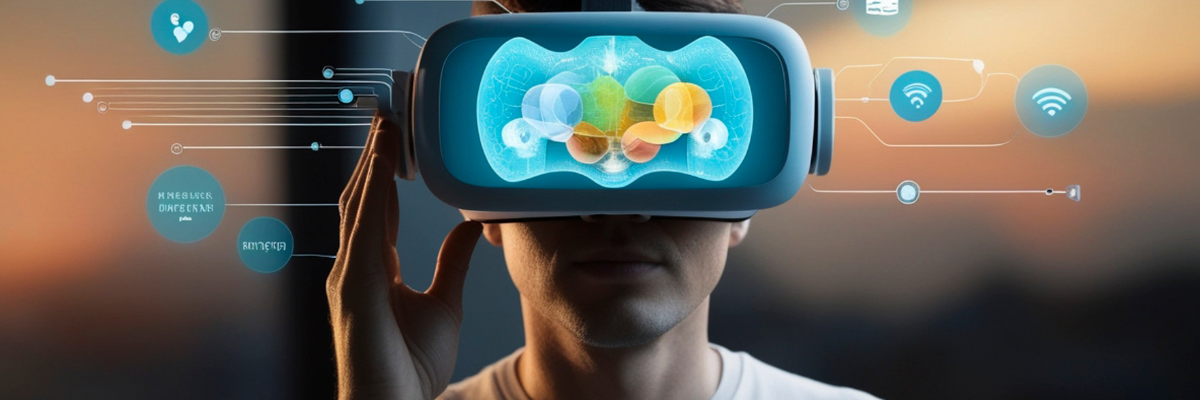
The digital revolution has made education more accessible than at any other time in history. Online courses, virtual classrooms, mobile applications, and interactive learning platforms have opened new pathways for acquiring knowledge. People can now learn from leading institutions and experts without leaving their homes.
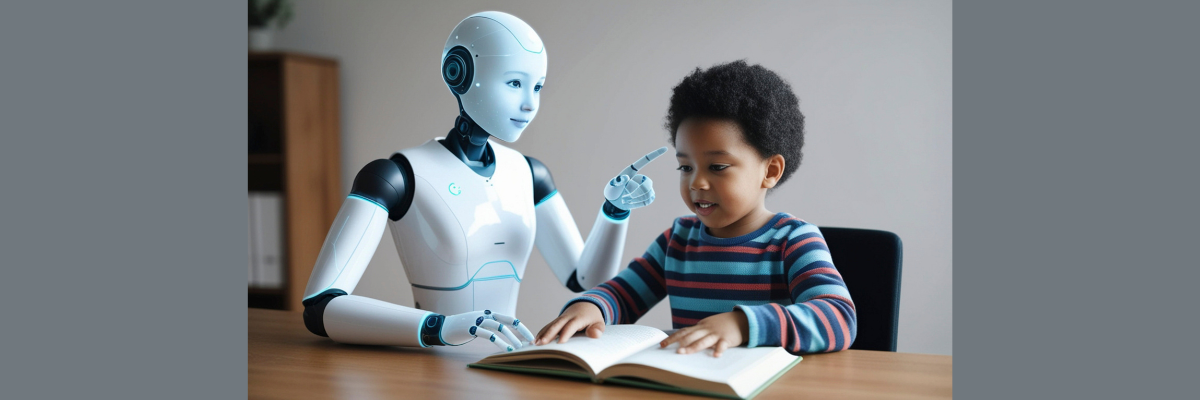
Artificial intelligence is further transforming education by offering personalized learning experiences. Adaptive systems can recommend courses, monitor progress, and provide customized feedback based on individual goals and abilities. These technologies make learning more flexible and convenient for people balancing work, family, and other responsibilities.
Short-term certifications and skill-based programs are also gaining recognition, allowing learners to update their expertise without committing to lengthy academic degrees.
The Changing World of Employment
Modern careers are increasingly dynamic. Many professions are being reshaped by automation and digital innovation, while entirely new occupations are emerging. Fields such as cybersecurity, renewable energy, biotechnology, and data analytics have created demand for skills that were scarcely known a decade ago.
As industries evolve, workers are expected to adapt. Career transitions have become more common, and individuals may change professions several times during their lives. Continuous learning enables people to respond to these shifts and remain relevant in changing job markets.
Organizations have also recognized that investing in employee development is essential for maintaining competitiveness. Training and professional development programs are becoming integral parts of corporate strategies.
Learning Beyond Career Development
Lifelong learning is not solely about employability. It also enriches personal lives and contributes to intellectual growth. People pursue new languages, artistic interests, financial literacy, and cultural knowledge not only to advance professionally but also to broaden their perspectives.
Engaging in continuous learning can strengthen cognitive abilities and promote mental well-being. Studies suggest that intellectual activity throughout life supports memory, creativity, and problem-solving skills. In aging societies, ongoing education may also contribute to healthier and more active lives.
Learning, therefore, becomes a source of personal fulfillment as well as economic opportunity.
Challenges to Building a Learning Society
Despite its advantages, lifelong learning is not equally accessible to everyone. Economic barriers, unequal access to technology, and differences in educational infrastructure continue to limit opportunities for many individuals. Bridging these gaps remains an important challenge.
Time constraints also present difficulties. Adults often struggle to balance learning with professional and family responsibilities. Flexible educational models and supportive workplace policies are necessary to make continuous learning more practical.
Another issue involves recognizing skills acquired outside traditional institutions. Employers and educational organizations are increasingly exploring ways to evaluate alternative credentials and nontraditional learning experiences.
Redefining Education for the Future
The emergence of the lifelong learning economy is changing society’s expectations regarding education. Instead of preparing people for a single occupation, educational systems must foster adaptability, critical thinking, creativity, and the ability to learn independently.
Governments, businesses, and educational institutions will need to work together to create systems that encourage continuous skill development throughout life. Success in the future will depend not only on what individuals know but also on their capacity to keep learning.
Conclusion
The belief that education ends after university is becoming increasingly outdated. In an era defined by rapid technological and economic change, lifelong learning has become essential for personal growth, professional resilience, and social progress.
The Lifelong Learning Economy recognizes that knowledge is not a destination reached in youth but a journey that continues throughout life. As opportunities for education become more flexible and widely available, individuals will be better equipped to adapt, innovate, and thrive in a world where change is the only constant.