
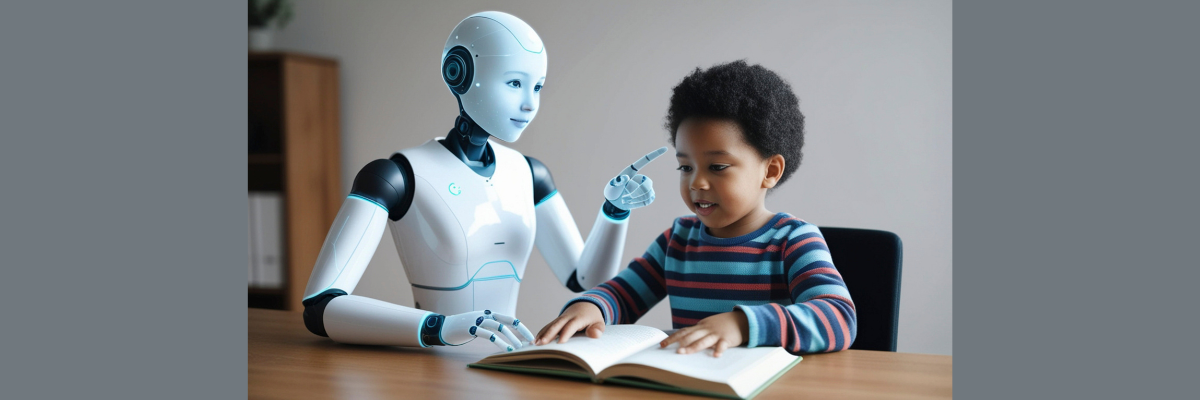
Artificial intelligence is changing the way people learn by making education more personalized and interactive. AI-powered learning systems are designed to understand each student’s abilities, learning speed, and areas that need improvement. Instead of providing the same lessons to every learner, these systems adjust the content according to individual needs. By studying a student’s progress and performance, AI can recommend suitable learning materials, practice exercises, and revision topics, creating a learning experience that is both effective and engaging.
One of the biggest strengths of AI-powered tutors is their availability. Students can access learning support anytime and from almost anywhere using computers or mobile devices. When a learner asks a question, the AI tutor can provide explanations, examples, and additional practice within seconds. If a student struggles with a particular concept, the system can present the topic in a different way until it becomes easier to understand. This personalized guidance encourages independent learning and helps students build confidence in their abilities.
AI-based educational tools are useful in a wide range of subjects, including mathematics, science, languages, and computer programming. They can generate quizzes, monitor learning progress, and identify knowledge gaps that may require extra attention. Teachers also benefit from these technologies because AI can automate routine tasks such as grading assignments, tracking attendance, and analyzing student performance. This allows educators to spend more time mentoring students, designing engaging lessons, and addressing individual learning needs.
Although AI-powered tutors offer many advantages, they also have certain limitations. Human teachers provide motivation, emotional encouragement, creativity, and social interaction that AI systems cannot fully replicate. In addition, educational platforms must ensure that students’ personal information is stored securely and used responsibly. Developers must also work to reduce bias in AI systems so that all learners receive fair and accurate recommendations regardless of their background.
The future of education will likely involve close collaboration between teachers and AI technologies rather than replacing educators entirely. AI can handle repetitive and data-driven tasks, while teachers continue to guide students through critical thinking, communication, teamwork, and ethical decision-making. Together, they can create a more balanced and effective learning environment.
In conclusion, AI-powered personalized learning and tutoring systems are reshaping education by providing customized instruction, instant feedback, and continuous learning support. They help students learn at their own pace, improve academic performance, and develop confidence in their skills. When used responsibly alongside skilled teachers, these intelligent systems can make education more accessible, engaging, and efficient, preparing learners with the knowledge and abilities needed to succeed in a rapidly changing world.