
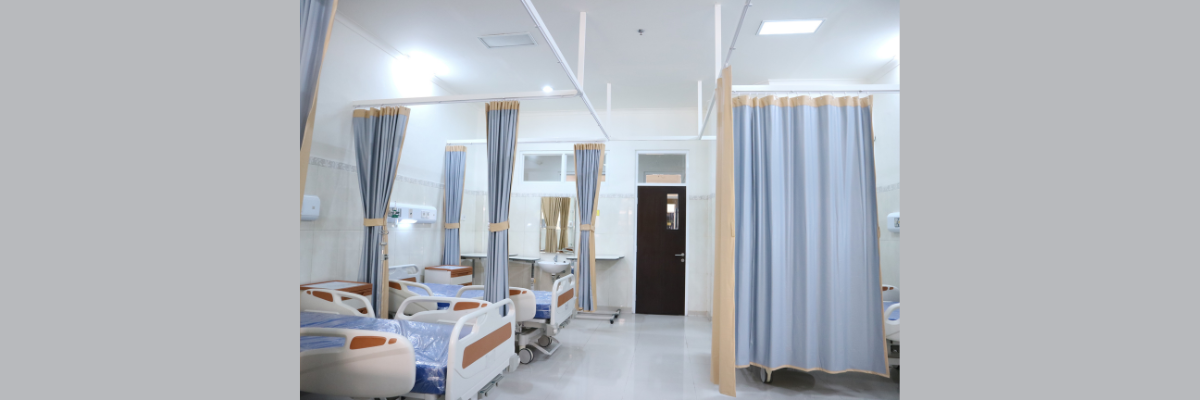
Virtual Wards and Hospital-at-Home ecosystems are changing the way healthcare is delivered by allowing eligible patients to receive hospital-quality treatment in their own homes. Instead of remaining in a hospital for several days, patients can continue their recovery in a familiar environment while staying connected to healthcare professionals through digital technologies. This model combines remote patient monitoring, telemedicine, medical devices, and home healthcare services to provide safe, continuous, and personalized medical care. It improves patient comfort while helping hospitals use their resources more efficiently.
A virtual ward is a digitally connected healthcare system that provides the same level of clinical monitoring as a hospital ward without requiring a patient to stay in the hospital. Patients use devices such as blood pressure monitors, pulse oximeters, thermometers, glucose monitors, or wearable sensors to record their health information. These devices securely transmit data to doctors and nurses, who monitor the patient’s condition in real time. If the system detects unusual changes in vital signs, healthcare professionals can immediately contact the patient, adjust treatment, or arrange emergency care if necessary. This continuous monitoring allows medical teams to identify potential problems early and respond quickly.
Hospital-at-Home programs are suitable for selected patients recovering from surgery, receiving treatment for infections, managing chronic diseases, or requiring ongoing rehabilitation. Medical professionals may conduct virtual consultations through video calls while nurses or therapists visit the patient’s home when physical examinations or treatments are needed. Patients receive medications, diagnostic services, nursing care, and rehabilitation without making frequent hospital visits. Recovering at home often reduces stress, improves emotional well-being, and enables family members to participate more actively in the care process.
These healthcare models offer several important benefits. They reduce hospital overcrowding by allowing stable patients to recover safely at home, leaving hospital beds available for those with critical conditions. Home-based treatment also lowers the risk of hospital-acquired infections and can reduce healthcare costs for both hospitals and patients. Many people experience greater comfort and satisfaction when recovering in familiar surroundings, which may contribute to better overall recovery. At the same time, healthcare providers can monitor multiple patients efficiently using digital platforms and respond promptly when medical attention is required.
Despite these advantages, Virtual Wards and Hospital-at-Home ecosystems also face several challenges. Reliable internet access and digital infrastructure are essential for continuous communication between patients and healthcare providers. Medical devices must produce accurate readings, and healthcare systems must protect patient information through strong cybersecurity and data privacy measures. In addition, not every patient is suitable for home-based treatment. Individuals with severe medical conditions or those requiring constant emergency support may still need traditional hospital care. Careful patient selection and proper clinical supervision are therefore necessary to ensure safety and effective treatment.
In conclusion, Virtual Wards and Hospital-at-Home ecosystems represent an important step toward more flexible and patient-centered healthcare. By combining remote monitoring, telemedicine, and professional medical support, these systems deliver high-quality care beyond the walls of a hospital. They improve patient comfort, reduce pressure on healthcare facilities, and support more efficient use of medical resources. As digital health technologies continue to advance, these innovative care models are expected to become an increasingly valuable part of modern healthcare, offering accessible, safe, and cost-effective treatment for many patients while maintaining high standards of clinical care.