
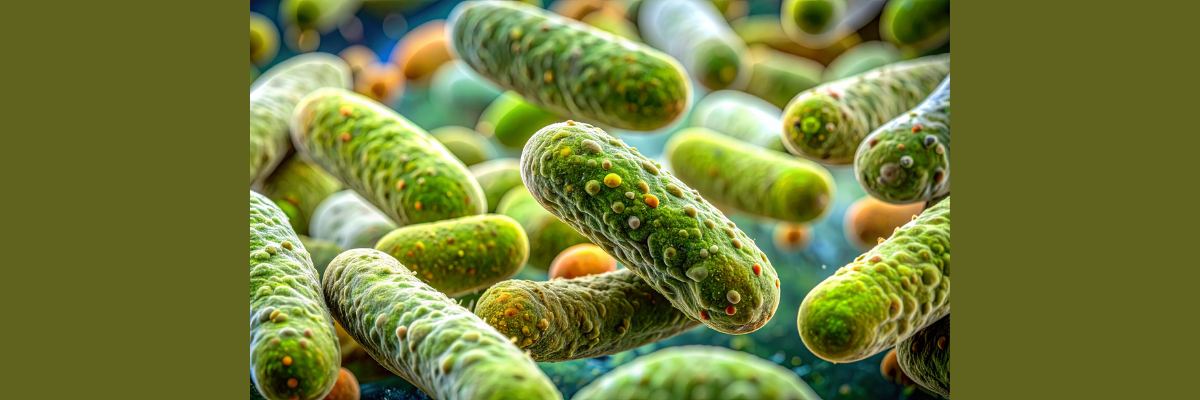
For much of the twentieth century, microbes were largely regarded as harmful organisms responsible for infections and disease. Medical science focused on eliminating bacteria and maintaining sterile environments to protect human health. While these efforts saved countless lives, modern research has revealed a more nuanced reality. The human body hosts trillions of microorganisms—bacteria, fungi, viruses, and other microscopic life forms—that are essential to our survival. Together, these organisms make up the microbiome, a vast and intricate ecosystem that influences everything from digestion and immunity to metabolism and mental health. Scientists are only beginning to uncover the remarkable partnership that exists between humans and these invisible companions.
An Entire World Within the Human Body
The microbiome consists of diverse communities of microorganisms that inhabit the digestive tract, skin, mouth, and other parts of the body. Although invisible to the naked eye, these organisms perform vital functions that support human physiology.
Researchers have discovered that the genetic material carried by microbial populations far exceeds that found in human cells. This enormous reservoir of biological information contributes to processes that humans cannot accomplish alone. Rather than existing separately from microbes, people live in close cooperation with them, forming a highly interconnected biological system.
Understanding this hidden ecosystem is transforming the way scientists think about health and disease.
Supporting Digestion and Metabolism
One of the microbiome’s most important contributions is helping the body process food. Certain nutrients and complex fibers cannot be fully digested by human enzymes, but beneficial microorganisms break them down and generate compounds that nourish the body.
Gut microbes also participate in regulating metabolism and maintaining energy balance. Researchers are investigating how differences in microbial composition may influence obesity, diabetes, and other metabolic conditions. Diet, stress, medications, and environmental factors all affect the diversity and stability of these microbial communities.
Maintaining a balanced microbiome is increasingly recognized as an important component of overall health.
A Partner in Immune Defense
The immune system and the microbiome maintain a close and dynamic relationship. From infancy onward, beneficial microbes help educate immune cells and contribute to the body’s ability to recognize harmful invaders.
Disturbances in microbial balance have been associated with allergies, inflammatory diseases, and autoimmune disorders. Scientists are exploring how restoring healthy microbial populations could help regulate immune responses and reduce chronic inflammation.
This growing understanding highlights the importance of preserving microbial diversity rather than simply eliminating microorganisms indiscriminately.
Communication Between the Gut and the Brain
One of the most exciting areas of microbiome research involves the connection between the digestive system and the nervous system. Scientists have found that microbes produce chemical substances capable of influencing brain activity and emotional responses. This communication network, known as the gut-brain axis, is opening new perspectives on mental and neurological health.
Although research is still developing, studies suggest that microbial communities may affect mood, stress, and cognitive function. Investigations are underway to understand potential links between the microbiome and conditions such as anxiety, depression, and neurodegenerative disorders.
These findings illustrate how deeply interconnected different systems of the body truly are.
The Promise of Personalized Medicine
Advances in genomic technologies are enabling researchers to analyze microbial populations with increasing precision. In the future, doctors may use microbiome profiles to identify disease risks and design individualized treatment plans.
Therapies involving probiotics, dietary modifications, and microbiome-based interventions are already being explored. Personalized approaches aimed at restoring microbial balance could complement conventional treatments and improve preventive healthcare.
Such innovations may redefine how medicine addresses both chronic diseases and overall wellness.
Questions Yet to Be Answered
Despite significant progress, many mysteries remain. Scientists are still working to understand the interactions among thousands of microbial species and how these relationships influence health. Establishing clear links between specific microbes and diseases is complex because microbial ecosystems constantly change in response to numerous factors.
Safety, ethics, and scientific validation will remain essential as microbiome-based therapies continue to evolve. Careful research is necessary to ensure that new approaches are both effective and reliable.
Conclusion
The microbiome frontier is changing our understanding of what it means to be human. Rather than functioning alone, the body depends on vast communities of microorganisms that contribute to digestion, immunity, metabolism, and possibly even emotional well-being.
As research continues, these microscopic partners may become central to the future of medicine. By learning how to protect and nurture this hidden ecosystem, humanity could develop new ways to prevent disease and promote healthier lives. The trillions of organisms living within us are no longer viewed merely as microbes; they are increasingly recognized as indispensable allies in the complex story of human health.